Physical Address
304 North Cardinal St.
Dorchester Center, MA 02124
Physical Address
304 North Cardinal St.
Dorchester Center, MA 02124

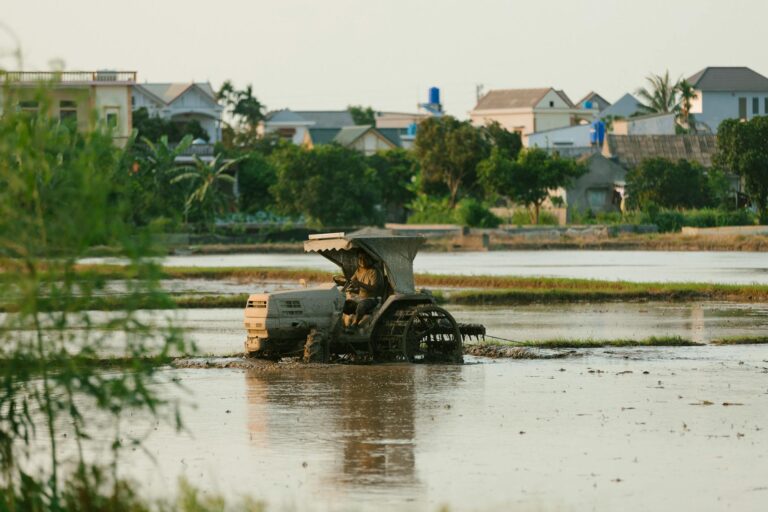
A sustained Middle East conflict could trigger an energy crisis with cascading effects on Southeast Asia's food systems. Historical precedent from 2008 demonstrates how oil price spikes compress agricultural margins, reduce fertiliser availability, and ultimately threaten social stability across the region's most populous nations.

The territorial dispute between Vanuatu and France over Matthew and Hunter Islands reflects deeper questions about sovereignty, maritime jurisdiction, and colonial legacies in the Pacific. Ongoing negotiations reveal how historical ambiguities continue shaping modern Indo-Pacific diplomacy and resource competition.

Central Asia's rapid digitalisation has outpaced public digital literacy, creating an environment where cybercriminals exploit unprepared populations and weak institutional defences. Addressing this gap requires sustained investment in critical thinking education, institutional cybersecurity governance, and regional coordination.
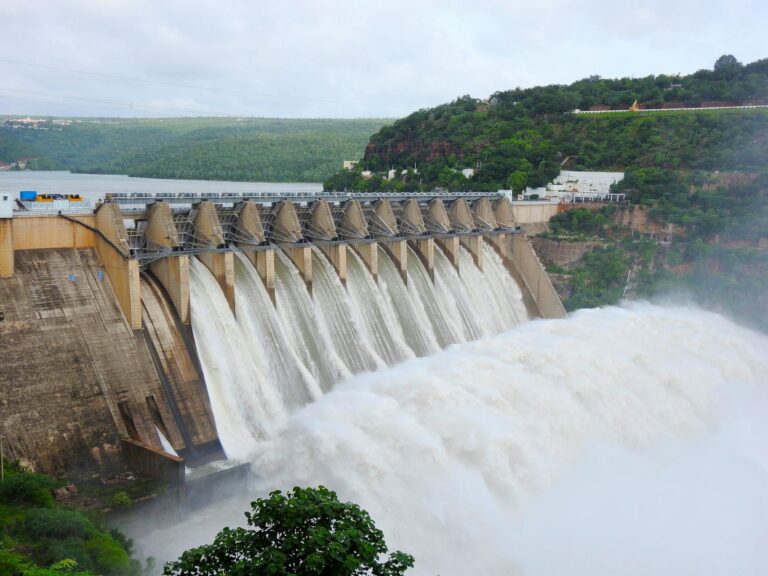
India's shift toward reciprocal dam development on the Brahmaputra fails to address China's structural upstream advantage. Effective water security requires negotiated bilateral frameworks similar to the Indus Waters Treaty, not competitive infrastructure projects.
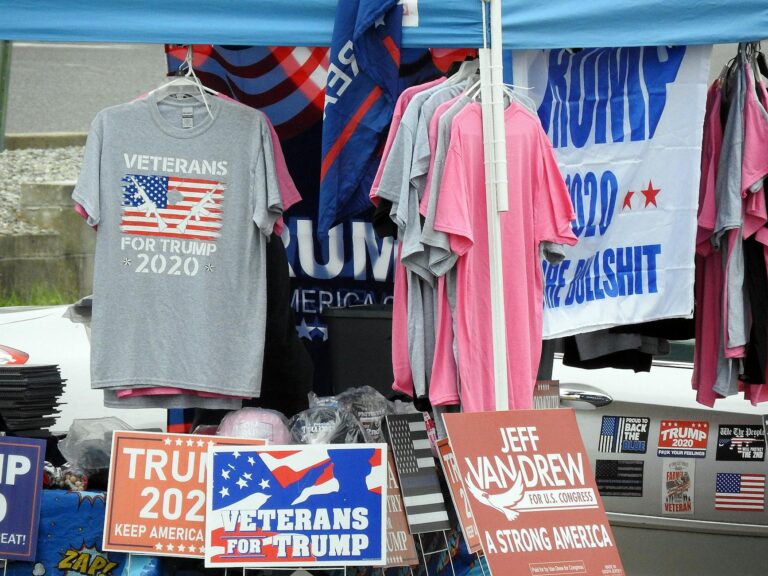
South Australia's 2022 state election reveals fractures in Australia's centre-right political coalition, with One Nation's breakthrough and the Liberal Party's contraction signalling deeper structural realignment in Australian politics.
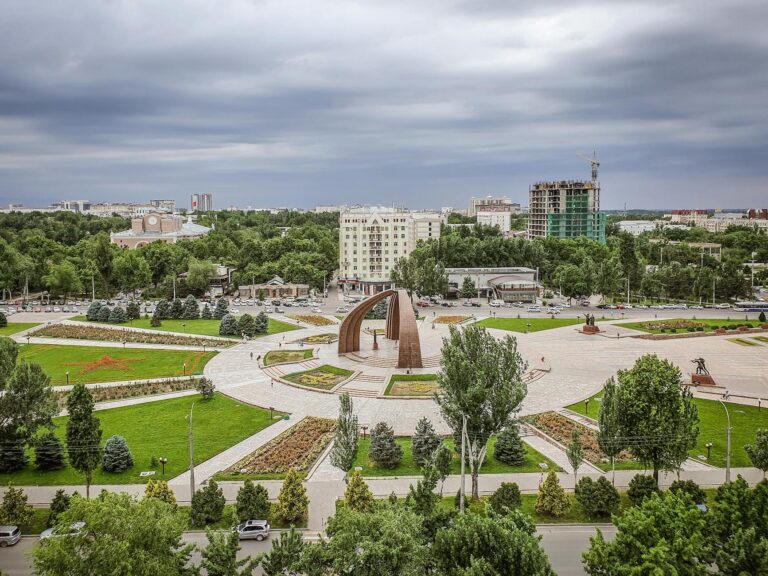
Sadyr Tashiev's return to Kyrgyzstan and his questioning as a witness—rather than formal detention—reveals how Central Asian states use procedural categorization as a political instrument. This case exemplifies the gap between formal democratic institutions and actual governance practices in post-Soviet transitions.

The arrest of seven foreign nationals under India's UAPA has exposed connections between Myanmar-based ethnic armed organisations and transnational militant networks. This incident reveals persistent vulnerabilities in South Asia's borderlands, requiring differentiated analysis of threat sophistication and operational capability.
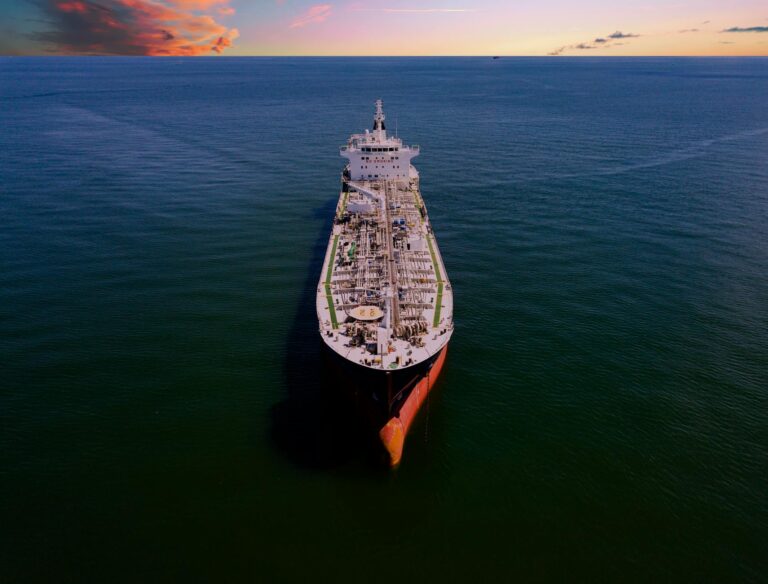
Japanese Foreign Minister Sanae Takaichi secured US President Trump's confidence without deepening military commitments to Iran operations, demonstrating Tokyo's sophisticated approach to alliance management while prioritizing Indo-Pacific security.
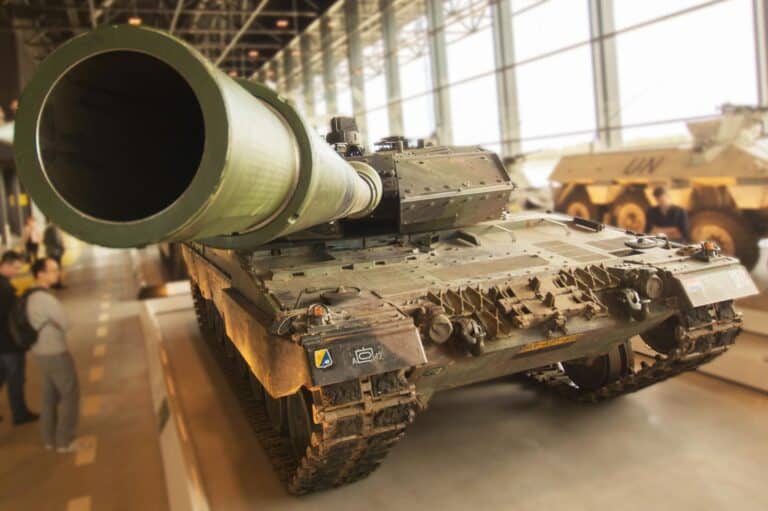
South Korea's rapidly expanding defence export sector has created a strategic vulnerability: weapons sold to legitimate state actors in the Middle East are being captured or transferred to Iranian-backed proxy forces in Yemen. This reveals critical gaps in Seoul's export control framework and threatens its standing as a responsible arms exporter.

U.S. export controls on advanced semiconductors are constraining South Korea's technology sector while inadvertently accelerating China's domestic chip development. Seoul faces a strategic dilemma between alliance obligations and economic interests in a rapidly fragmenting global technology supply chain.