Physical Address
304 North Cardinal St.
Dorchester Center, MA 02124
Physical Address
304 North Cardinal St.
Dorchester Center, MA 02124
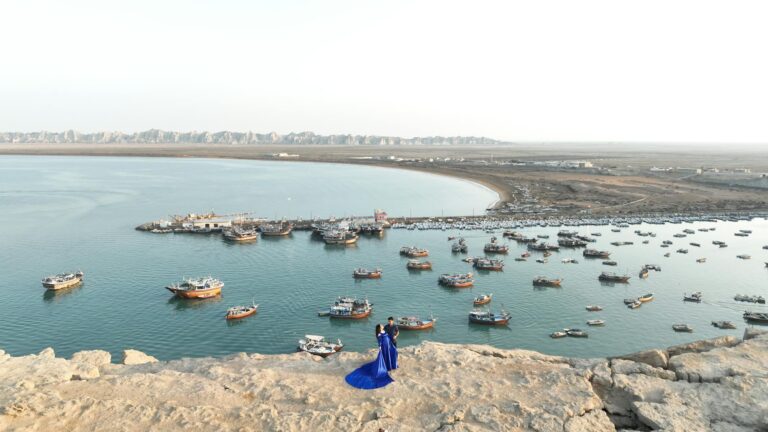
Central Asia's growing dependence on Iranian transit routes for maritime trade creates acute geopolitical vulnerability. Regional conflict or sanctions escalation could force landlocked states back onto costlier alternatives, reversing a decade of economic diversification.
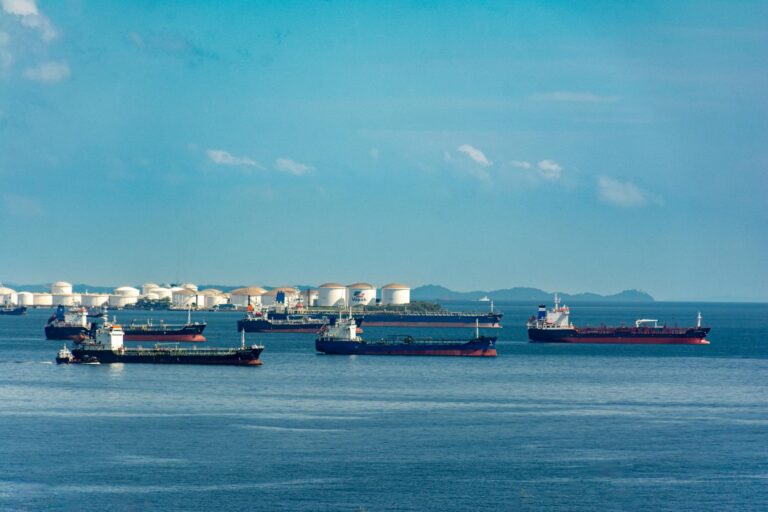
India imports 85% of its crude oil, leaving it acutely vulnerable to West Asian instability. With limited domestic reserves, concentrated Gulf supply sources, and inadequate strategic petroleum reserves, India faces mounting energy security challenges requiring urgent diversification and domestic production strategies.
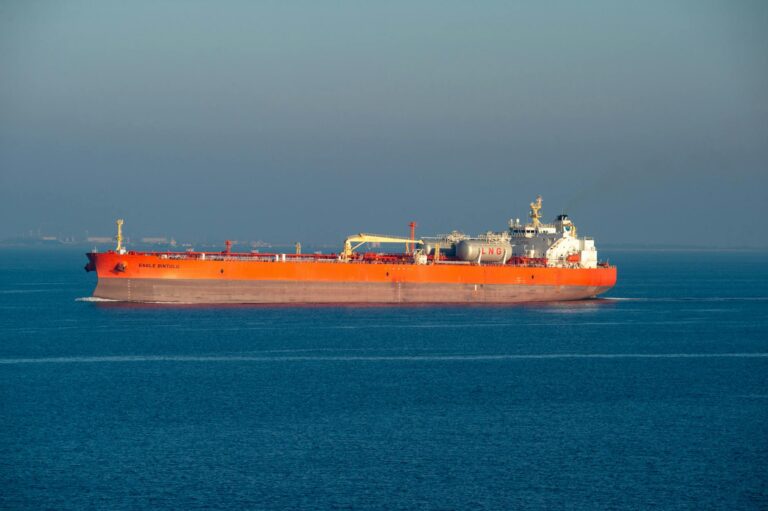
Middle East escalation between Iran and Israel directly threatens Indo-Pacific energy security, strains alliance cohesion, and reshapes military positioning. Australia, Japan, and India face immediate vulnerabilities in energy supplies, defence budgets, and strategic partnerships.
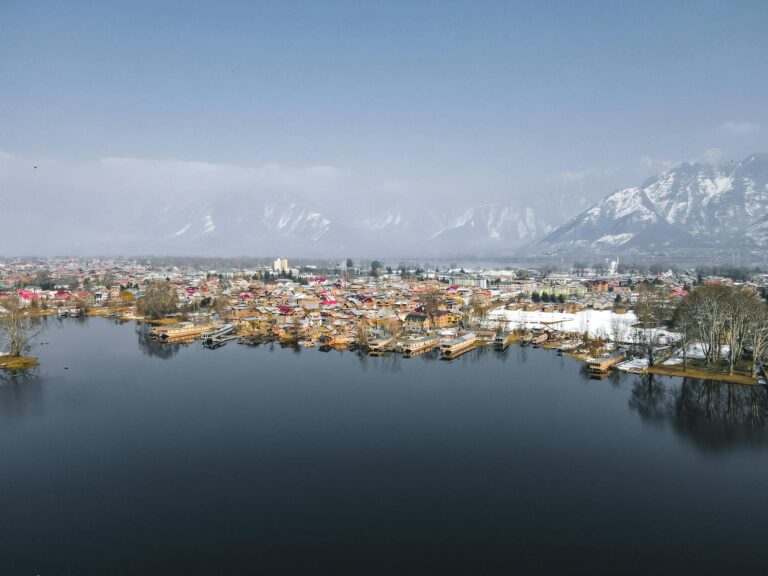
India's governance approach in Jammu and Kashmir has shifted toward legislative mechanisms designed to remove opposition figures from elected office, bypassing conventional democratic processes. This strategy raises significant questions about institutional legitimacy and regional stability in a strategically sensitive border region.
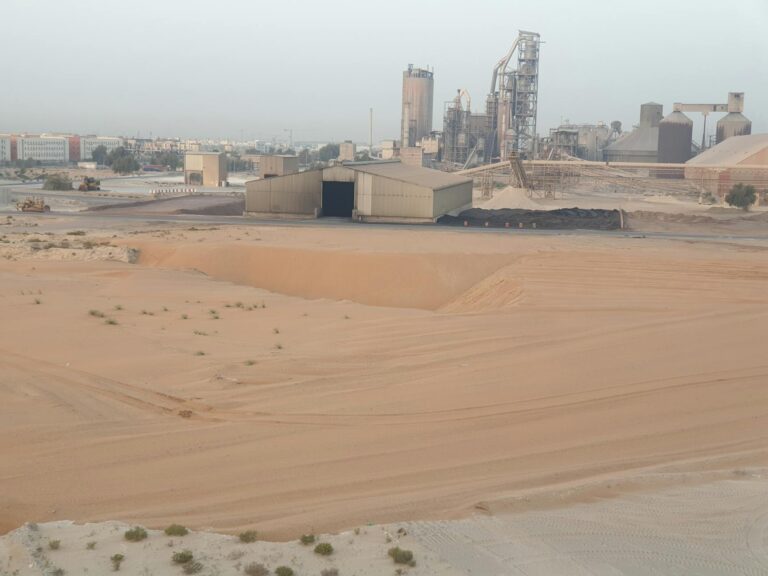
Vietnam is pursuing a self-reliant critical minerals strategy that prioritises domestic processing capacity and regional partnerships over alignment with U.S.-led supply chain coalitions. This approach reflects Hanoi's broader commitment to strategic autonomy in great power competition.
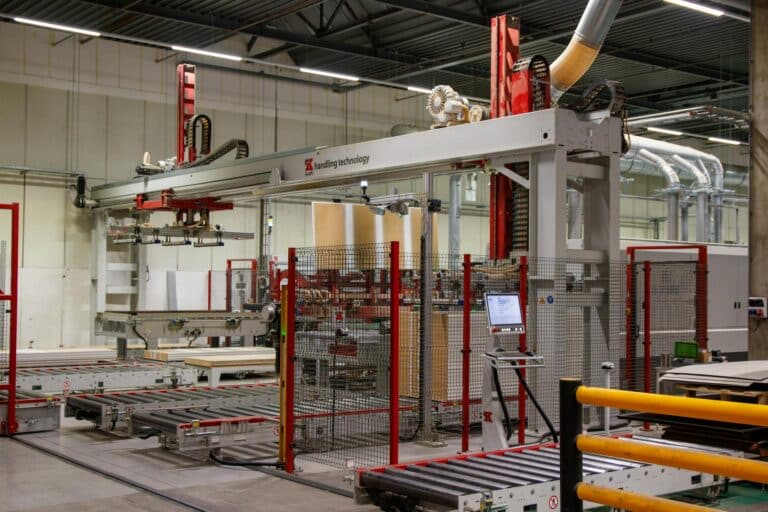
China's shift from cloud-based AI to embodied intelligence—physical robots operating autonomously in real-world environments—has significant implications for Indo-Pacific manufacturing, military capability, and regional technological competition. This development could reshape supply chains, accelerate defence modernisation, and deepen technological decoupling across the region.
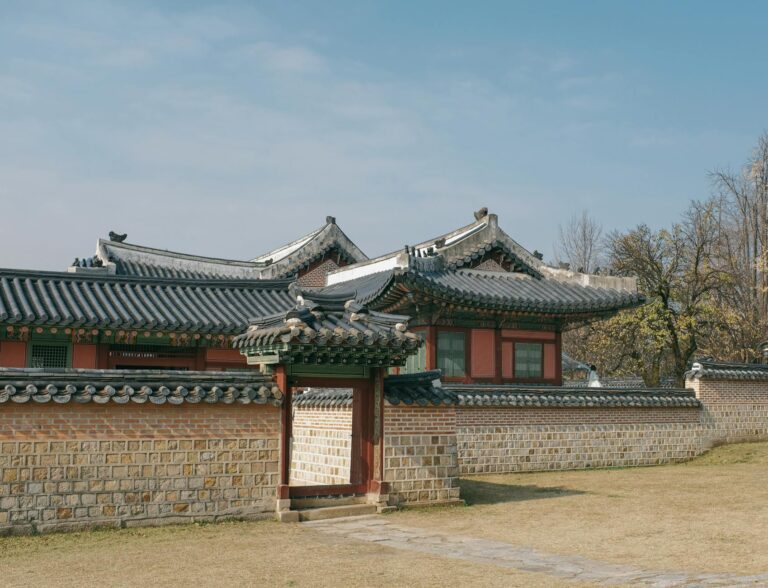
South Korea's People Power Party issued an apology ahead of local elections but faces persistent difficulty distancing itself from President Yoon Suk-yeol's administration. The party's core leadership and organizational structure remain closely aligned with Yoon's political faction, undermining the credibility of rebranding efforts.
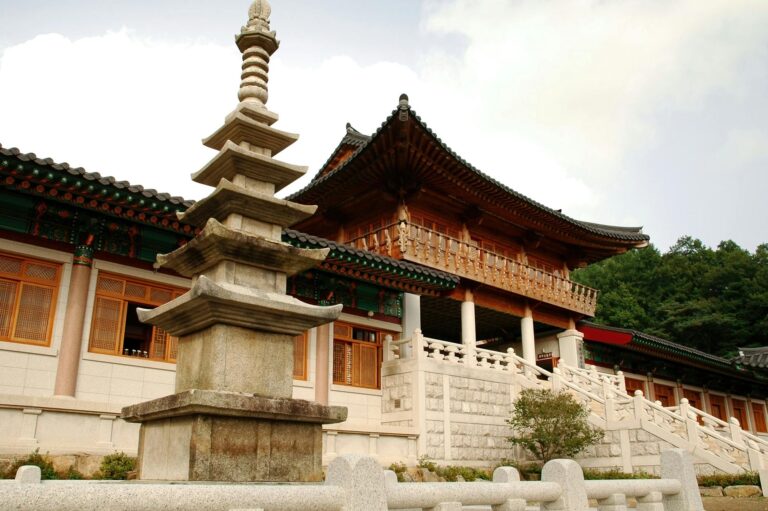
Kim Yo Jong's public denunciation of South Korea-US joint military exercises as "war rehearsal" reflects North Korea's hardening security posture and escalating military rhetoric. The absence of diplomatic engagement since 2019 has removed mechanisms for managing peninsula tensions, raising risks of unintended escalation.
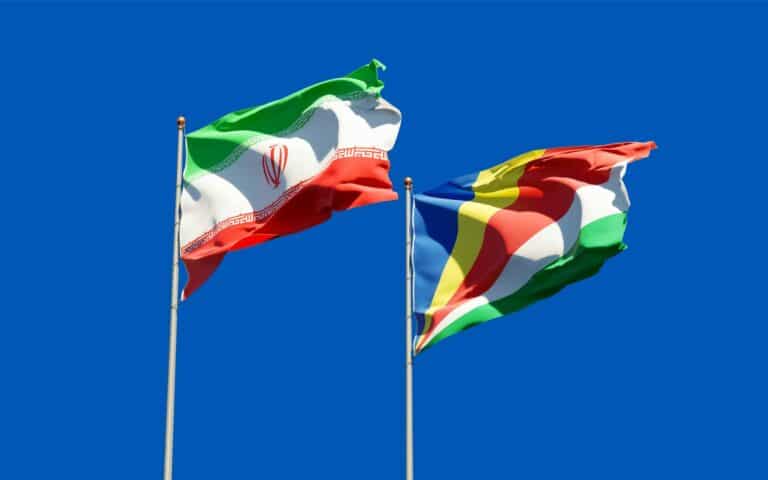
The Iran crisis exposes fundamental contradictions within BRICS' multipolar model. Divergent strategic interests among Russia, China, India, and South Africa reveal that the bloc lacks the institutional mechanisms to coordinate effective responses to major regional conflicts, raising questions about its viability as an alternative to Western-led security architecture.
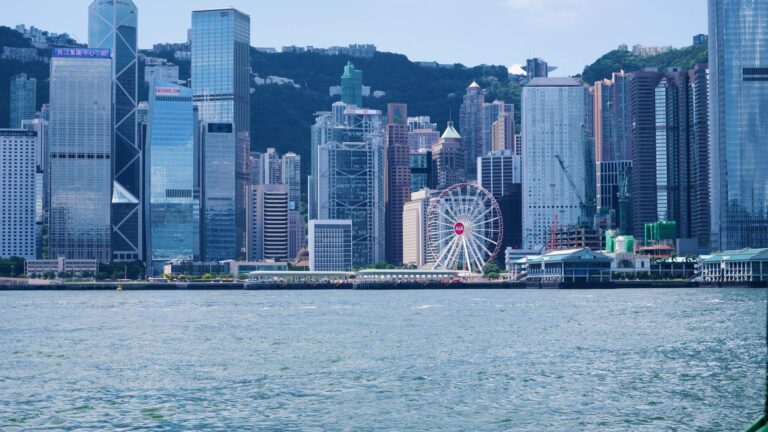
Jimmy Lai's 20-year sedition sentence marks the final institutional collapse of Hong Kong's independence. The conviction signals to international business and media that the territory is no longer a reliable hub for independent activity, with strategic consequences across the Indo-Pacific.