Physical Address
304 North Cardinal St.
Dorchester Center, MA 02124
Physical Address
304 North Cardinal St.
Dorchester Center, MA 02124


China's military-civil fusion strategy persists despite rhetorical retreat from public discussion. Beijing has rebranded rather than abandoned a core defence integration program that remains essential to military modernisation, creating persistent challenges for Western technology security policy.
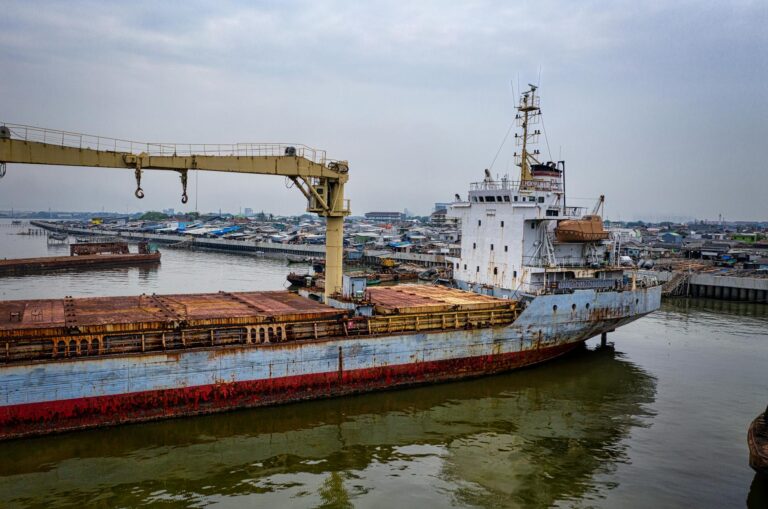
Indonesia's Major Defense Cooperation Partnership with the United States signals a strategic recalibration in Jakarta's approach to great power competition while maintaining hedging toward China. The partnership institutionalizes military cooperation while preserving Indonesia's traditional non-aligned positioning.
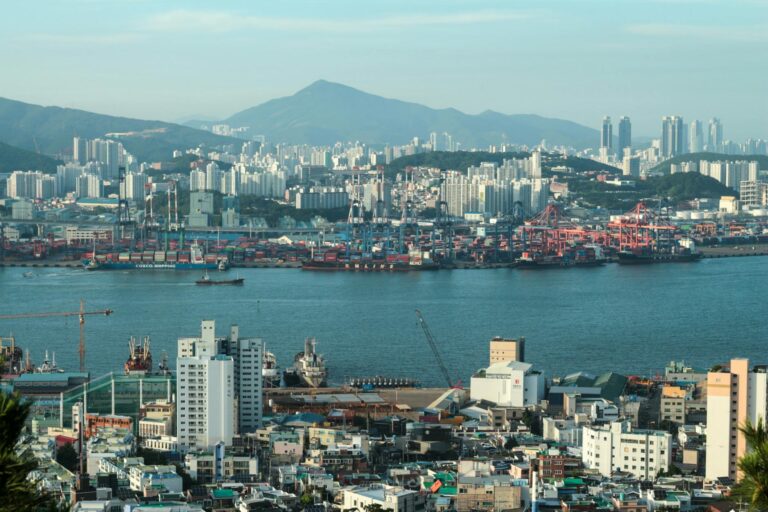
Vietnam and South Korea have committed to strengthened cooperation on supply chain resilience and nuclear energy development, reflecting both nations' strategic response to regional vulnerabilities and geopolitical competition in the Indo-Pacific.

The Iran crisis has exposed fundamental contradictions in US strategy across Asia, as Indo-Pacific allies, Central Asian energy exporters, and South Asian powers pursue independent courses based on their own economic and security interests rather than coordinated alignment with Washington.
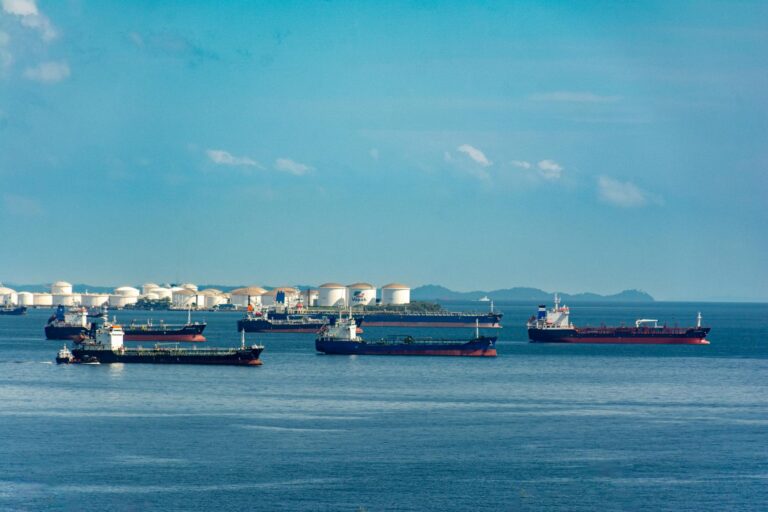
ASEAN economies face mounting economic pressure from Middle East tensions threatening Hormuz Strait oil supplies. The region's heavy import dependence, inflationary pressures, and sectoral vulnerabilities reveal structural weaknesses that require coordinated policy responses and long-term energy security reforms.
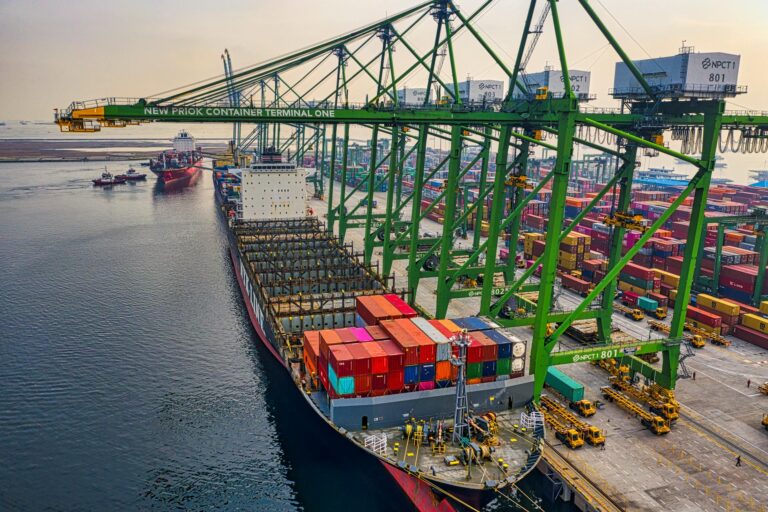
ASEAN's rules of origin framework requires urgent modernisation to reflect contemporary supply chain realities and geopolitical competition. Current ATIGA provisions constrain regional trade integration and leave ASEAN vulnerable to strategic marginalisation as competing regional agreements advance.

India's Prevention of Torture Act addresses custodial violence legislatively, but structural gaps in implementation and institutional design suggest legal reform alone cannot eliminate systemic abuse in detention facilities. Independent oversight mechanisms and prosecutorial reform remain essential.

Vietnam's 'Four Nos' doctrine—rejecting military alliances, foreign bases, and military solutions to disputes—offers a strategic model for managing great power competition while preserving autonomy. This approach resonates across Southeast Asia and constrains unilateral great power action through predictability and legal frameworks.

India's successful contraction of the 'Red Corridor' Naxalite insurgency demonstrates growing state capacity and has direct implications for its Indo-Pacific strategy and great power aspirations.
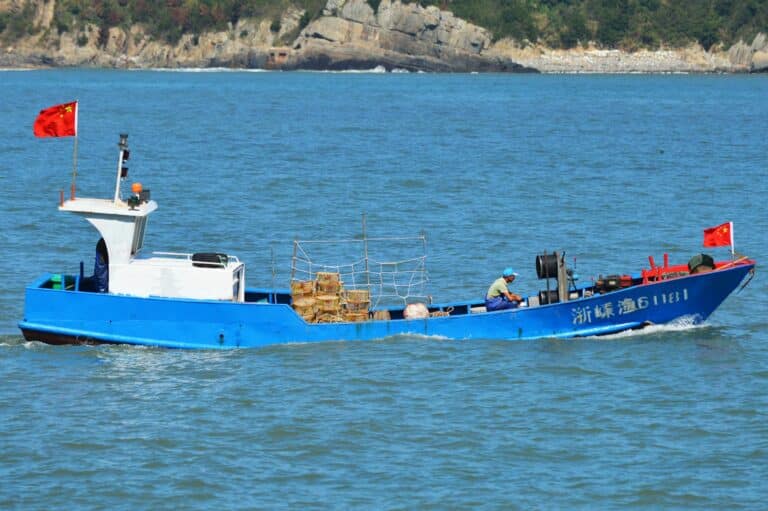
Public opinion surveys reveal that favourable sentiment between Japan and China has collapsed to historic lows, driven by territorial disputes, military competition, and competing historical narratives. This deterioration constrains both governments' diplomatic flexibility and raises the risk of escalation from minor incidents.