Physical Address
304 North Cardinal St.
Dorchester Center, MA 02124
Physical Address
304 North Cardinal St.
Dorchester Center, MA 02124


Chinese feminist activism persists despite systematic state censorship through coded language, private networks, and international platforms. This adaptation reveals how civil society evolves under digital repression and offers insights into authoritarian information control.

The June 2019 Trump-Kim DMZ summit achieved symbolic diplomatic progress but failed to produce substantive breakthroughs on denuclearization. This analysis examines how unprepared high-level engagement, while generating international attention, cannot substitute for rigorous negotiating frameworks on North Korea's nuclear program.

Donald Trump's 2019 meeting with Kim Jong Un at the Korean DMZ was a carefully choreographed media event that produced no substantive agreements or progress toward denuclearization. The summit exemplifies how high-level diplomatic engagement without institutional preparation generates symbolic outcomes rather than policy results.

The June 2019 Trump-Kim Jong Un summit at the Korean DMZ offered unprecedented symbolism but minimal substance. This analysis examines how personality-driven diplomacy without institutional support failed to achieve denuclearization progress and what it reveals about regional security challenges.

The June 2019 Trump-Kim DMZ meeting represented unprecedented U.S.-North Korea engagement but lacked the preparatory groundwork necessary for sustained progress on denuclearisation. ANSPI analysis examines why ad hoc personal diplomacy failed to overcome structural disagreements.

The arrest of former Kyrgyz MP Shairbek Tashiev in connection with Kyrgyzneftegaz corruption allegations reflects deeper governance challenges in Central Asia's energy sector, raising questions about institutional accountability versus political selectivity in anti-corruption enforcement.
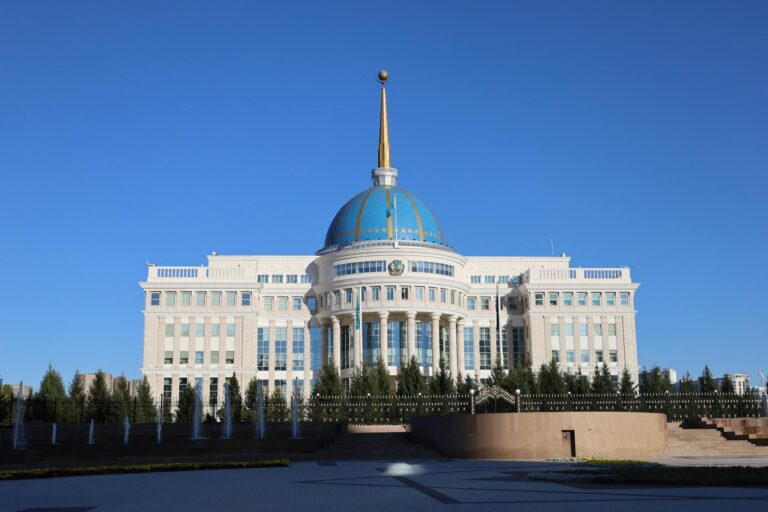
Kazakhstan's media consumption patterns reveal a strategic shift toward digital platforms and social media, while state control mechanisms persist through regulatory frameworks and media ownership concentration. This fragmented information environment has significant implications for democratic governance and foreign policy independence in Central Asia's largest economy.
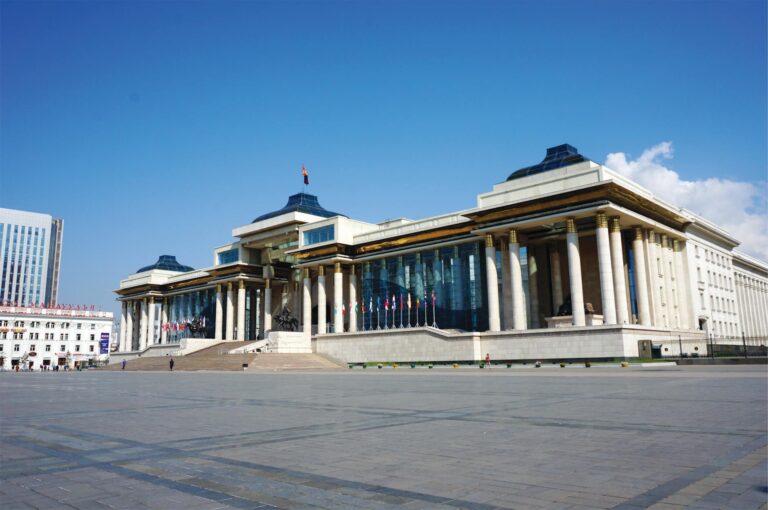
Mongolia has experienced three government changes in just ten months, exposing critical weaknesses in its parliamentary institutions and governance capacity. This political instability carries significant implications for Mongolia's economic development and its strategic balance between Russia and China.

Japan, South Korea, and the United States are constructing a practical technological alliance focused on semiconductor supply chains, export controls, and research coordination. This represents a strategic recalibration designed to reduce dependence on China in critical industries.

Tokyo's erosion of informal public gathering spaces reflects a critical but overlooked challenge to social cohesion and regional stability. As third places decline and public space becomes transactionalized, Japan's experience offers a cautionary model for other Indo-Pacific economies facing similar urbanization pressures.