Physical Address
304 North Cardinal St.
Dorchester Center, MA 02124
Physical Address
304 North Cardinal St.
Dorchester Center, MA 02124


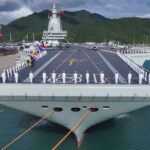
South Korea is repositioning India as a central element of its Indo-Pacific strategy, signalling a shift away from a decade of limited bilateral engagement. This recalibration reflects broader regional power dynamics and shared vulnerabilities to Chinese assertiveness.
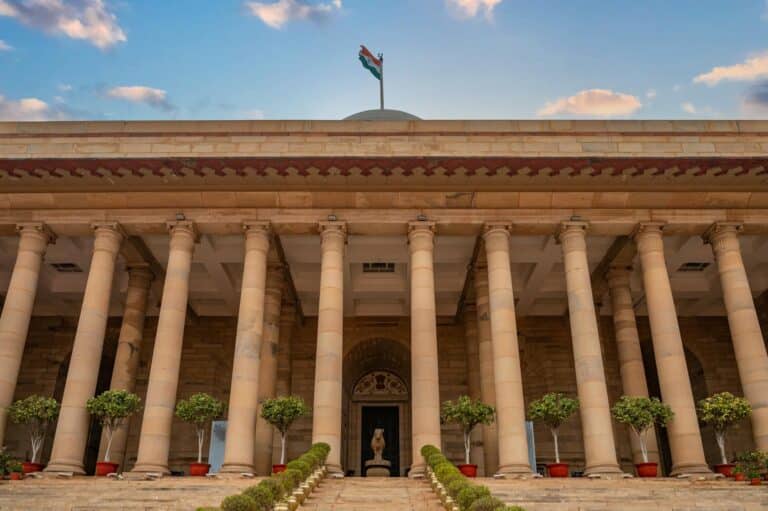
India's BRICS presidency exposes the fundamental paradox of leading a coalition united by opposition to Western dominance rather than shared strategic vision. Fractured by India-China tensions, competing regional interests, and recent membership expansion, BRICS functions as a development platform rather than a transformative geopolitical force.
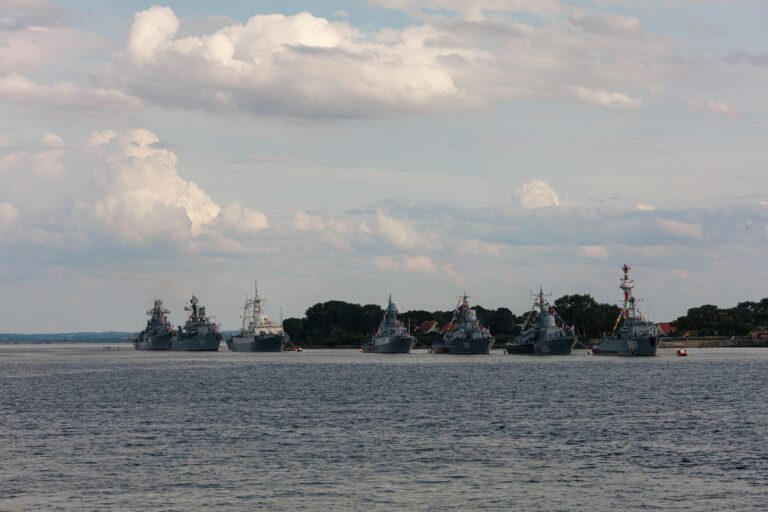
While Japan faces genuine security challenges from China's military expansion and North Korea's nuclear program, formal Article 9 constitutional revision would destabilize the Indo-Pacific rather than enhance Japanese security. Existing reinterpretation frameworks provide sufficient flexibility for necessary military modernization.
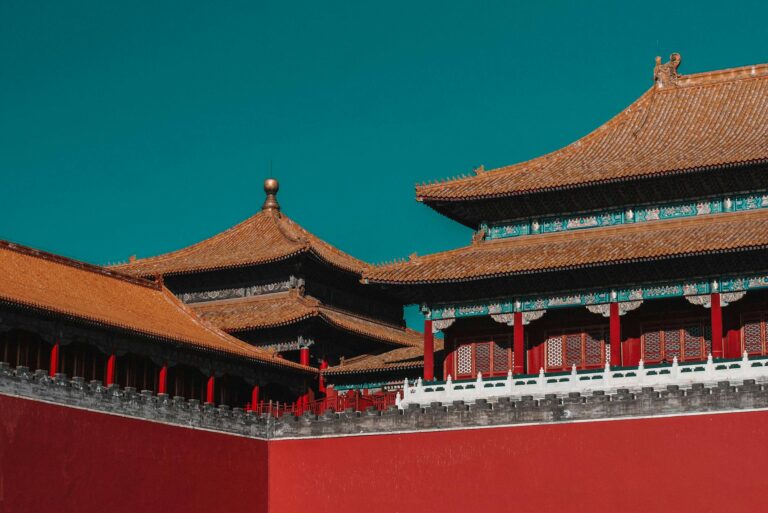
General Secretary To Lam's state visit to Beijing signals Vietnam's strategic commitment to managing its relationship with China while maintaining firm positions on South China Sea disputes and ASEAN leadership responsibilities.

The Philippine government systematically deploys climate disinformation to justify red-tagging Indigenous land defenders, creating a lethal convergence of false narratives and state violence that threatens both human rights and climate action effectiveness across the Indo-Pacific region.
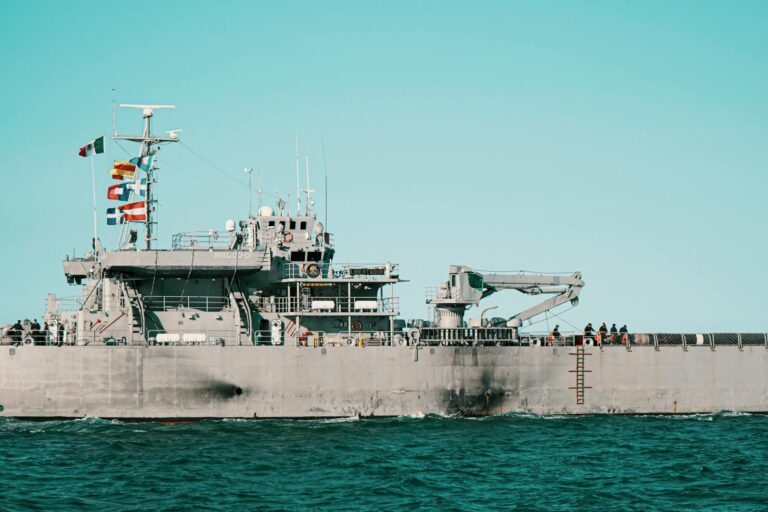
China is systematically advancing military capabilities, deepening economic integration, and securing diplomatic support across the Indo-Pacific ahead of high-level engagement with the Trump administration. Beijing is leveraging Washington's focus on Middle Eastern instability to consolidate positions in contested waters and strengthen regional dependencies.
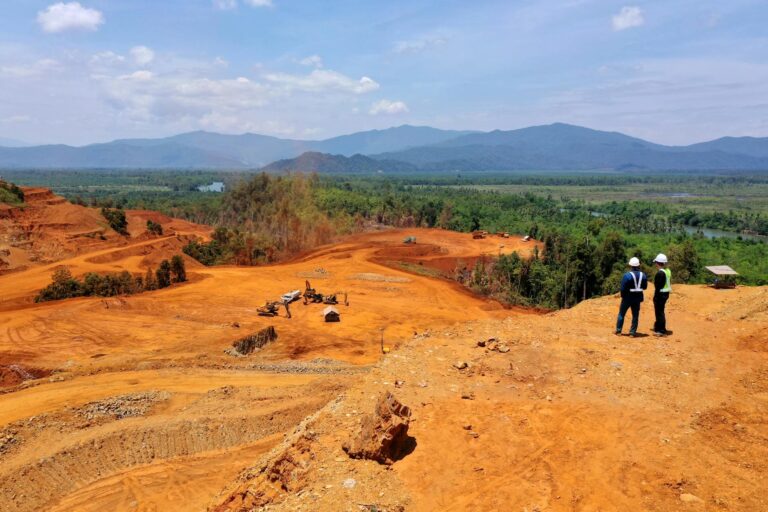
President Prabowo Subianto is restructuring Indonesia's energy partnerships through diplomatic engagement, reducing Middle Eastern dependence and positioning the nation as a critical hub for minerals, LNG, and clean energy technologies. This strategic reorientation has significant implications for Indo-Pacific energy security and regional autonomy.
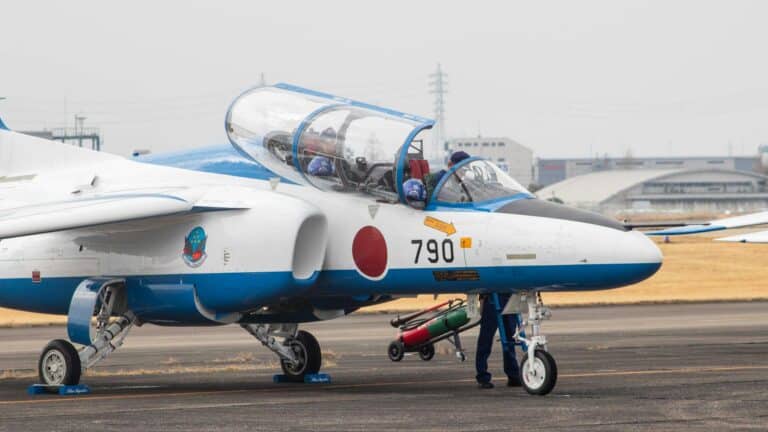
Japan's Ground Self-Defence Force has established dedicated offices for drone warfare and AI-enabled operations, institutionalising a strategic shift toward unmanned systems driven by severe demographic decline. This move reflects Tokyo's assessment that autonomous warfare will define future Indo-Pacific security competition.
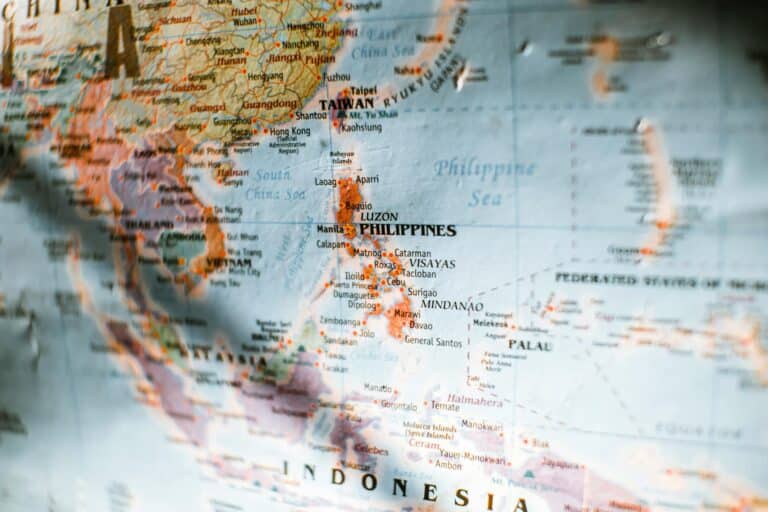
President Ferdinand Marcos Jr.'s openness to joint oil exploration with China in the South China Sea is constrained by the Philippine Constitution, which mandates state control of resource extraction. This constitutional framework creates structural barriers to agreements that might satisfy Beijing's sovereignty claims while maintaining Philippine legal authority.
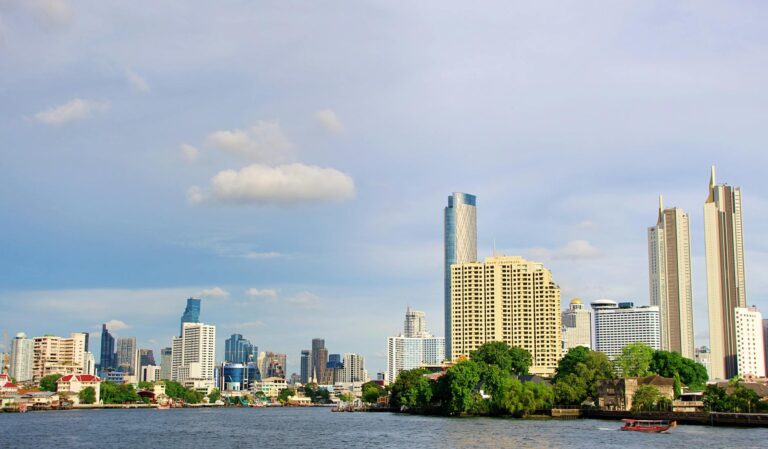
Thailand has intensified asset seizures targeting an international fraud and money laundering network connected to South African businessman Benjamin Mauerberger. The case reveals systemic vulnerabilities in Thailand's financial regulatory framework and highlights the need for comprehensive regional cooperation to combat transnational financial crime in Southeast Asia.