Physical Address
304 North Cardinal St.
Dorchester Center, MA 02124
Physical Address
304 North Cardinal St.
Dorchester Center, MA 02124


Oh Se-hoon's election to a fifth term as Seoul Mayor reflects voter preference for conservative governance continuity and the People Power Party's institutional dominance in South Korea's capital. The reelection underscores municipal political stability amid broader national polarization.
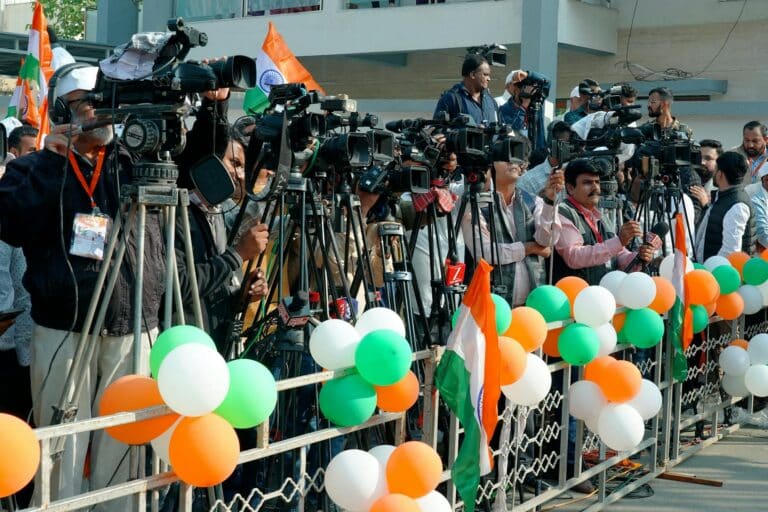
India's declining press freedom ranking reflects systematic pressures on journalistic independence through regulatory weaponization, media ownership concentration, and coordinated harassment. These structural trends threaten democratic accountability mechanisms critical to regional stability.
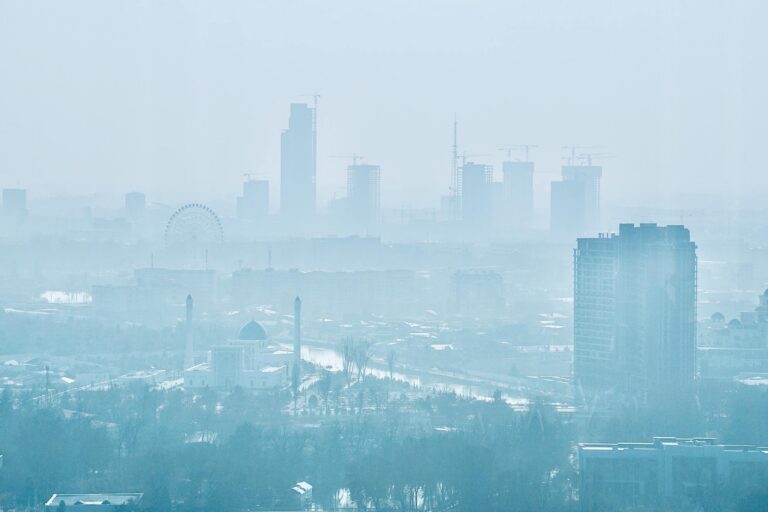
Uzbekistan is pursuing an unexpected strategic pivot away from Russia-dependent labour migration toward the United States, establishing formal bilateral agreements in healthcare, agriculture, and transportation sectors. This initiative reflects both the humanitarian costs of Russian military recruitment and Tashkent's broader effort to diversify institutional relationships beyond post-Soviet frameworks.
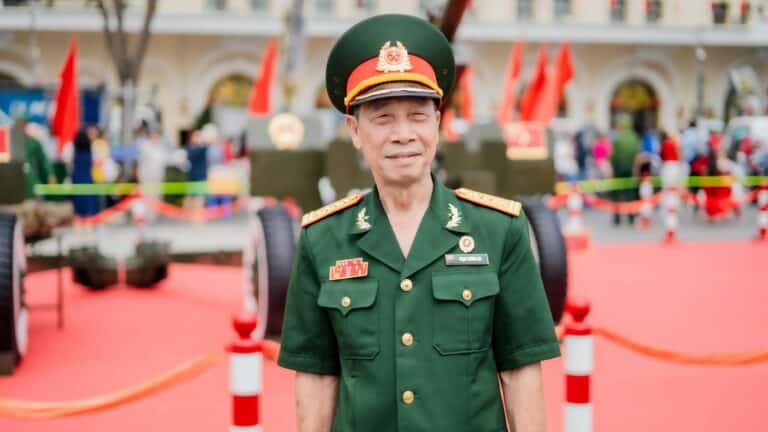
Vietnam has spent 13 years building a sophisticated regional strategy centered on nontraditional security—climate, infrastructure, AI governance—rather than military alignment. Communist Party General Secretary To Lam's 2026 Shangri-La Dialogue keynote signals that this framework has matured into a credible alternative to great power balancing.
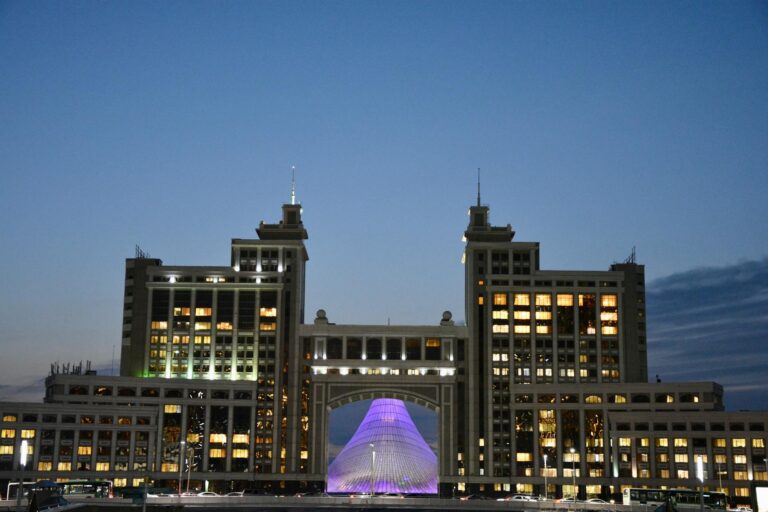
Kazakhstan's $6 billion military modernization program reflects strategic preparation for Indo-Pacific instability rather than immediate regional threats. The country is integrating unmanned systems, artificial intelligence, and diversified supplier relationships to prepare for a future where distant conflicts could disrupt critical trade corridors and destabilize Central Asia.

The Quad's new Indo-Pacific Maritime Surveillance Collaboration targets Indian Ocean maritime security through coordinated surveillance and real-time intelligence sharing. However, its effectiveness depends on addressing regional concerns about great power competition and establishing transparent partnerships with littoral states.
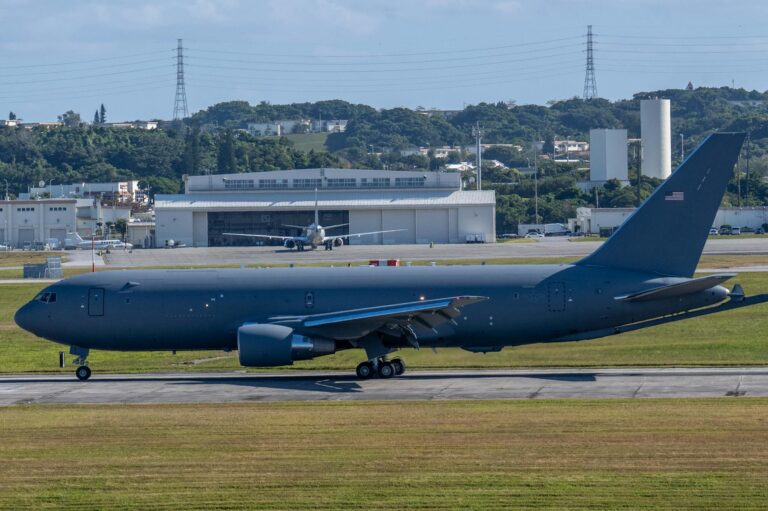
Okinawa hosts 70% of US military bases in Japan despite comprising less than 1% of the nation's land area. Yet scholarly analysis and military assessments increasingly question whether this concentration provides proportional deterrence value or instead creates strategic vulnerability.
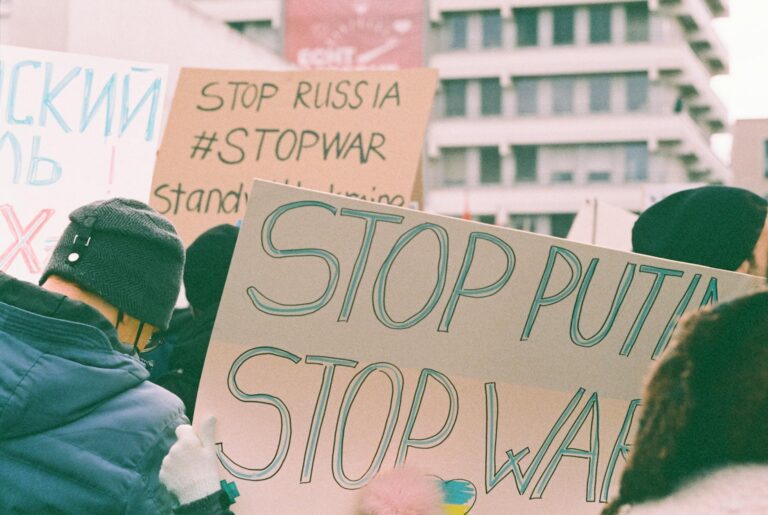
China's May 2026 declaration with Russia consolidates Beijing's strategic support for Moscow's war against Ukraine, using diplomatic language that erases Russian responsibility while deepening military, economic, and information coordination. The agreement signals China's fundamental challenge to the rules-based international order and carries direct implications for Indo-Pacific security.
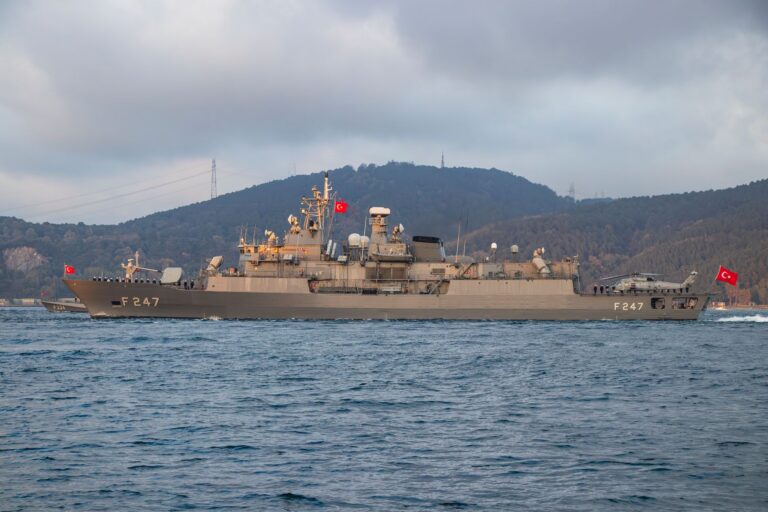
China's Type 054B frigate Luohe deployed with the Liaoning carrier strike group in the Western Pacific in May 2026, marking the first confirmed integration of this advanced platform into far-seas operations. The deployment signals the PLAN's transition from fleet expansion toward integrated carrier operations and sustained blue-water capability.
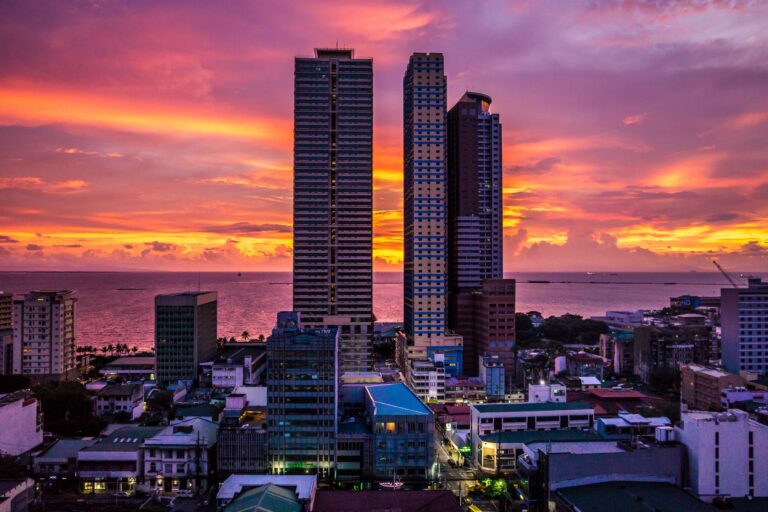
The Philippines maintains its U.S. alliance while strategically engaging China on economic and diplomatic issues, balancing security commitments with energy security needs and ASEAN chair responsibilities in 2026.